How Workload Fits Into the FAA's Proposed Part 108 Ruleset
Scott Scheff
Founder | Principal Human Factors Practitioner
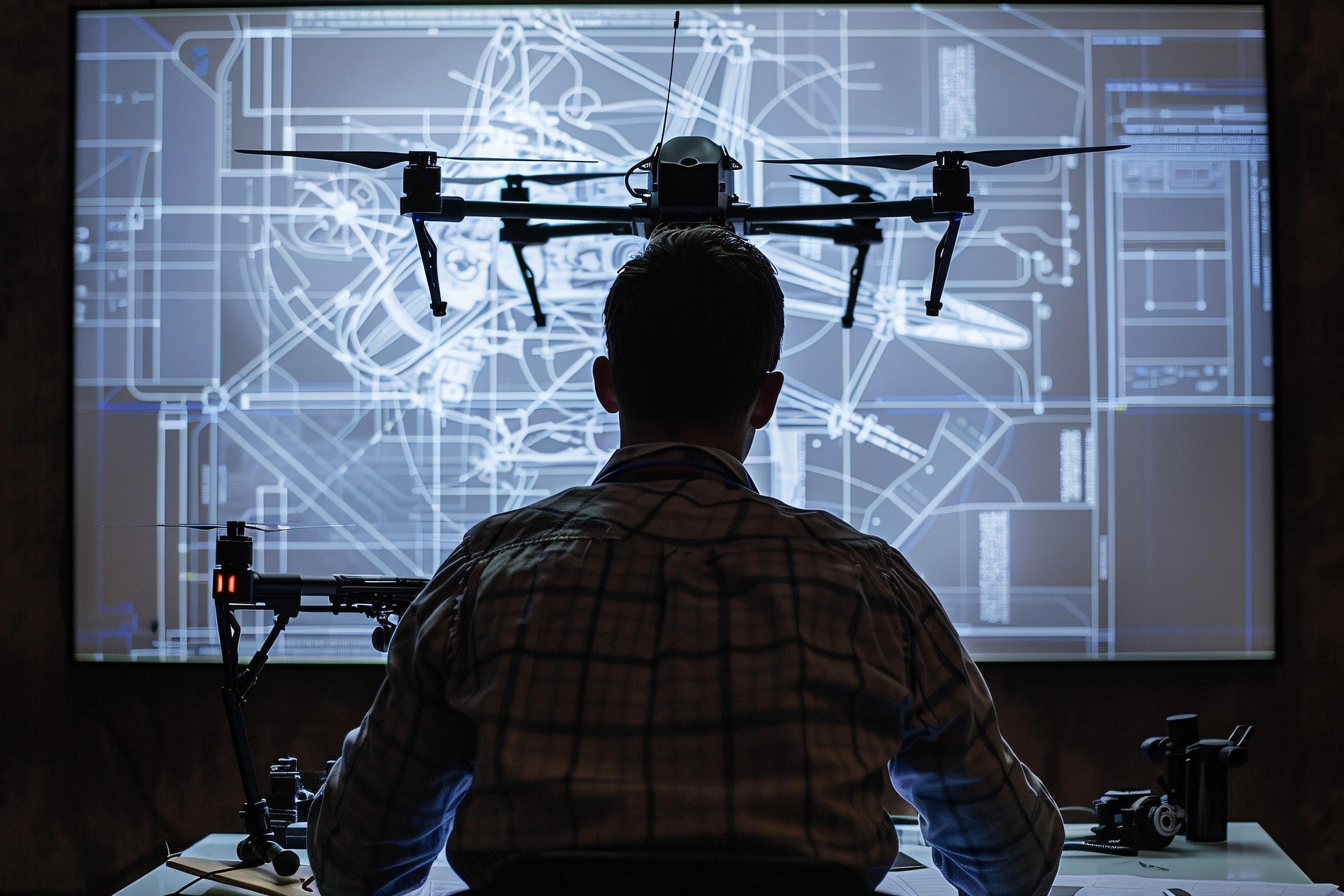
Validation Testing Includes Workload
In the aviation industry, the conversation around safety revolves around managing complexity—but as operations grow increasingly more automated and more remote, that complexity is now shifting from aircraft control to operator oversight (e.g., human in the loop vs. human on the loop).
There is currently a shift during routine Beyond Visual Line of Sight (BVLOS) operations for small Unmanned Aircraft Systems (sUAS). This shift involves the transition from "one-to-one" operations to "one-to-many" management where one flight controller could oversee multiple aircraft at once, fundamentally changing what safety looks like. So long as humans remain part of the decision-making loop, human performance becomes the ultimate linchpin for system performance.
While researchers have studied workload for decades, it has largely been limited to the realm of academic research rather than carrying true regulatory weight. Part 108 changes that dynamic. Instead of treating workload as an abstract research topic, the FAA is effectively shifting workload assessment from “good practice” to an operational necessity.
The FAA's newly proposed Part 108 rule for ssUAS recognizes this reality more evidently than ever before. Nestled within the nearly 800 pages of new requirements is a phrase that signals a meaningful change in how human factors are treated in regulatory design:
FAA proposes in § 108.545(a)(4) requiring validation testing for an operator wishing to conduct operations with multiple [unmanned aircraft] by one flight coordinator. This type of validation testing will ensure proficiency of the flight coordinator but also verify that workload management is not affected during an operation.
— §108.545(a)(4)
This may seem like a small addition, but this requirement represents a major step forward in how the FAA views the human role in increasingly automated flight environments. This requirement for validation testing acknowledges something that human factors professionals have known for years—that measuring, evaluating, and then managing workload becomes a critical safety requirement, especially as automation scales. Operators will need a data-driven way to demonstrate that a flight coordinator can safely manage multi-UAS complexity without exceeding human limits.
Workload as a Safety Boundary
The FAA's proposed §108.210 further reinforces this concept by setting a clear limit in multi-aircraft oversight:
Proposed § 108.210(b) states that flight coordinators would not be allowed to be responsible for operations of more [unmanned aircraft] UA than what the flight coordinator is reasonably capable of handling during normal, abnormal, and emergency conditions, determined in a method acceptable to FAA. How to determine the number of UA a flight coordinator is capable of handling would be addressed in any consensus standard that may be developed, or FAA would determine this number at the time of evaluation.
— §108.210(b)
In other words, the FAA acknowledges that safety in multi-UAS oversight is not inhibited by technological capacity alone, but by the capability of the humans operating alongside it.
The following section, §108.210(c), continues on to say that while manufacturers may specify a maximum ratio in their operating instructions, those limits only reflect system capability and cannot fully account for the human factors that inevitably fluctuate across different operators and conditions. Defining that "reasonable capability" in such a safety-critical context shouldn't rely purely on procedure; rather, it demands objective, quantifiable data.
In the same vein, §108.310(d)(2) emphasizes that safe oversight in multi-aircraft operations depends not just on procedural judgment, but on maintaining continuous situational awareness and demonstrable skill as well. While §108.210 defines how much a person can safely manage, §108.310 defines how well they must do it. It states:
Proposed § 108.310(d)(2) would further require the flight coordinator to maintain situational awareness of the UA and to otherwise direct the UA if necessary to comply with the requirements of part 108, again within the limitations of the UAS design. If the flight coordinator is overseeing more than one flight, subject to operating requirements and approval, they must have the skills and training needed to conduct 1:many operations.
— §108.310(d)(2)
The concept of workload is not new. Historically, workload thresholds were inferred from subjective methods or procedural experience and have been a part of aviation research for decades (Hart & Staveland, 1988). Now, under Part 108, operators will need a clear, data-backed method to demonstrate that a flight coordinator's workload levels are maintained within safe limits during multi-UAS operations.
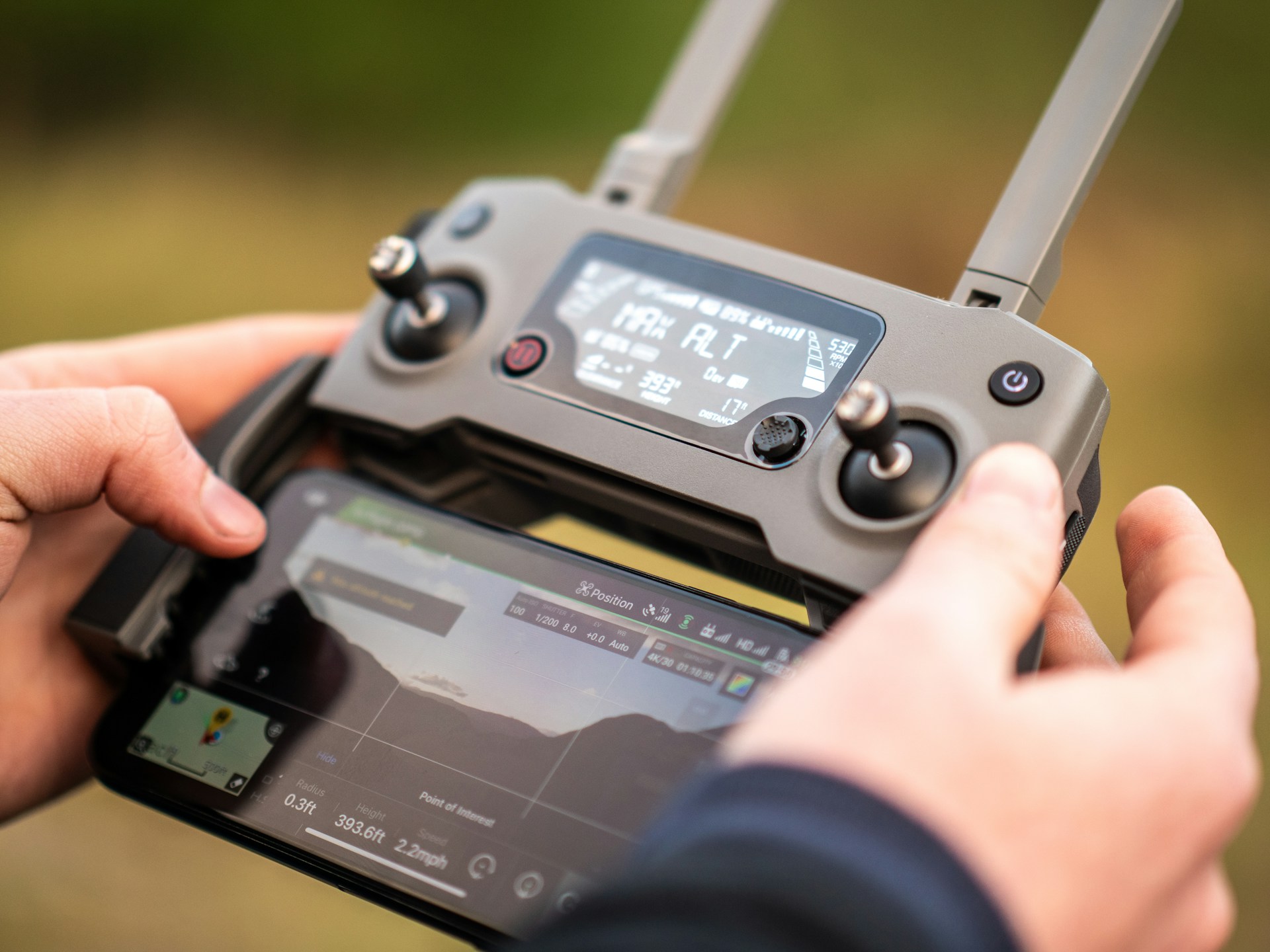
The Case For FortiFly
HF Designworks' FortiFly system was built to address this exact challenge. Developed under a NAVAIR SBIR effort and validated in collaboration with a variety of government agencies and programs, FortiFly provides real-time workload monitoring and analysis for complex aviation environments, including multi-UAS operations. Using multi-modal data inputs (eye tracking, pupillometry, fine motor, speech, audio, tactile, heart rate and heart rate variability, as well as task-based performance metrics), FortiFly estimates workload across multiple channels using the VACP+ framework (Visual, Auditory, Cognitive, Psychomotor, plus Speech and Tactile inputs).
To ensure these real-time measurements accurately represent true mental effort, FortiFly's algorithms have been validated against established and widely recognized post-simulation measures including the NASA Taskload Index (NASA-TLX). The results of this validation process confirm the reliability of FortiFly's real-time workload metrics as a data-driven replacement for traditional workload assessments—fundamentally supporting compliance with the FAA's new standard and providing manufacturers and users unparalleled real time workload data including overall workload as well as a taxon-by-taxon breakdown.
FortiFly captures both physiological and performance-based signals in real-time, ultimately making it possible to quantify workload stability across normal and abnormal operational conditions. Beyond meeting the intent of §108.545(a)(4), FortiFly embodies it. Validating workload management during multi-UAS operations with the kind of objective, defensible proof the FAA envisioned is something no other tool on the market is designed to deliver.
Turning Regulation Into Readiness
For organizations preparing to operate under Part 108, workload validation isn't just a compliance step; it's the point that determines whether an operation is safe and certifiable.
FortiFly is built exactly for this purpose. Through its integrated physiological and performance modeling framework, FortiFly enables organizations to:
Define realistic operational ratios that reflect both system capacity and true human performance
Demonstrate stable workload levels within established thresholds throughout operational testing, even as task complexity, environmental factors, and automation demands vary
Develop workload thresholds to inform manufacturer documentation, operational guidance, and future certification efforts
These methods turn regulatory intent into measurable proof. When the FAA asks for evidence that workload "is not affected during an operation," FortiFly doesn't simply support that goal—it fulfills it. With data-driven validation, FortiFly is closing the gap between regulatory intent and operational proof.
A Foundation for the Future of BVLOS Operations
The FAA's inclusion of workload validation in Part 108 signals a crucial turning point for human performance in aviation regulation. Aviation safety is no longer just about what automation is capable of; it's also about how effectively humans can work with that automation.
As a result, as automation scales, safety assurance now relies upon quantifiable evidence of both system and human capability. Objective workload validation is the mission link: bridging system capability with human performance to create a complete, data-driven picture of operational readiness.
FortiFly makes that possible. In doing so, it enables the aviation industry to move beyond compliance and toward true operational assurance for the next generation of aviation systems.
References
Hart, S. G., & Staveland, L. E. (1988). Development of NASA-TLX (Task Load Index): Results of empirical and theoretical research. In Advances in psychology (Vol. 52, pp. 139-183). North-Holland.
Keep Reading



// SAY HELLO
Contact
HF Designworks, Inc.
PO Box 19911
Boulder, CO 80308
(720) 362-7066