The Future of Human Factors in the Age of AI
Scott Scheff
Founder | Principal Human Factors Practitioner

While on a walk last night with an old friend and fellow human factors practitioner, we discussed the state of our profession . At first we reminisced about the amazing projects we’d worked on, the people we’d met, designs we’d influenced, and opportunities we'd had to give end users a voice. The conversation naturally progressed to human factors today and where it’s going. With technology advancing so quickly, particularly AI, how does human factors stay relevant?
We eventually agreed that human factors isn’t going anywhere, and there will still be end user interactions to support. However, we as practitioners will need to evolve.
Impermanence and evolution
Buddhism teaches us about impermanence: nothing stays the same forever. Mountains erode, bodies age, and thoughts dissolve…or perhaps evolve. While we might prefer our methods, standards, checklists, and work remain familiar, we are yet again at the cusp of a technology evolution. Why shouldn’t human factors also be evolving?
In practice, the human factors field has always been evolving. The modern human factors field gained momentum during World War II when aviators had challenges flying aircraft. Paul Fitts and Richard Jones analyzed 460 reported "pilot errors" involving aircraft controls and found that much of the error could be attributed to cockpit design.
In 1979, the nuclear reactor incident at Three Mile Island showed that human factors would need to evolve far beyond aircraft controls. The accident prompted greater attention to control room interfaces, operator training, procedures, user cognition, and the organizational conditions surrounding human performance.

Three Mile Island Nuclear Facility. Image credit www.energy.gov
In the decades that followed, human factors would continue to evolve with the rise of personal computers and software, smartphones, consumer devices, healthcare and connected medical devices, and other complex systems. The methods evolved alongside the technologies, but the central question remained familiar: What does this technology require people to perceive, understand, decide, and do?
AI is clearly the next major shift. To remain successful in our discipline, we need to understand how this latest evolution affects end users, and in doing so we also need awareness of the following:
Get in early
Too often, human factors is late to the party. We are asked to evaluate an interface that has already been designed and sometimes already developed. By then, the product reflects decisions that have already been made. If human factors practitioners are not in the room for the early decisions, we are left to propose solutions to problems that are already baked in, requiring more time and money to fix. Bringing human factors practitioners to the table early is not a new concept, but the pace of technological change, including AI, makes early involvement increasingly critical.
Design for the human-system partnership
Avoid focusing only on a display or a single workflow. Consider the relationship between the user and the system, when an AI system’s behavior may change or evolve through updates or learning. Understand how the user and system perform together, how the user knows what the system is doing, how the system responds to the user’s actions, and how the partnership recovers when something goes wrong.
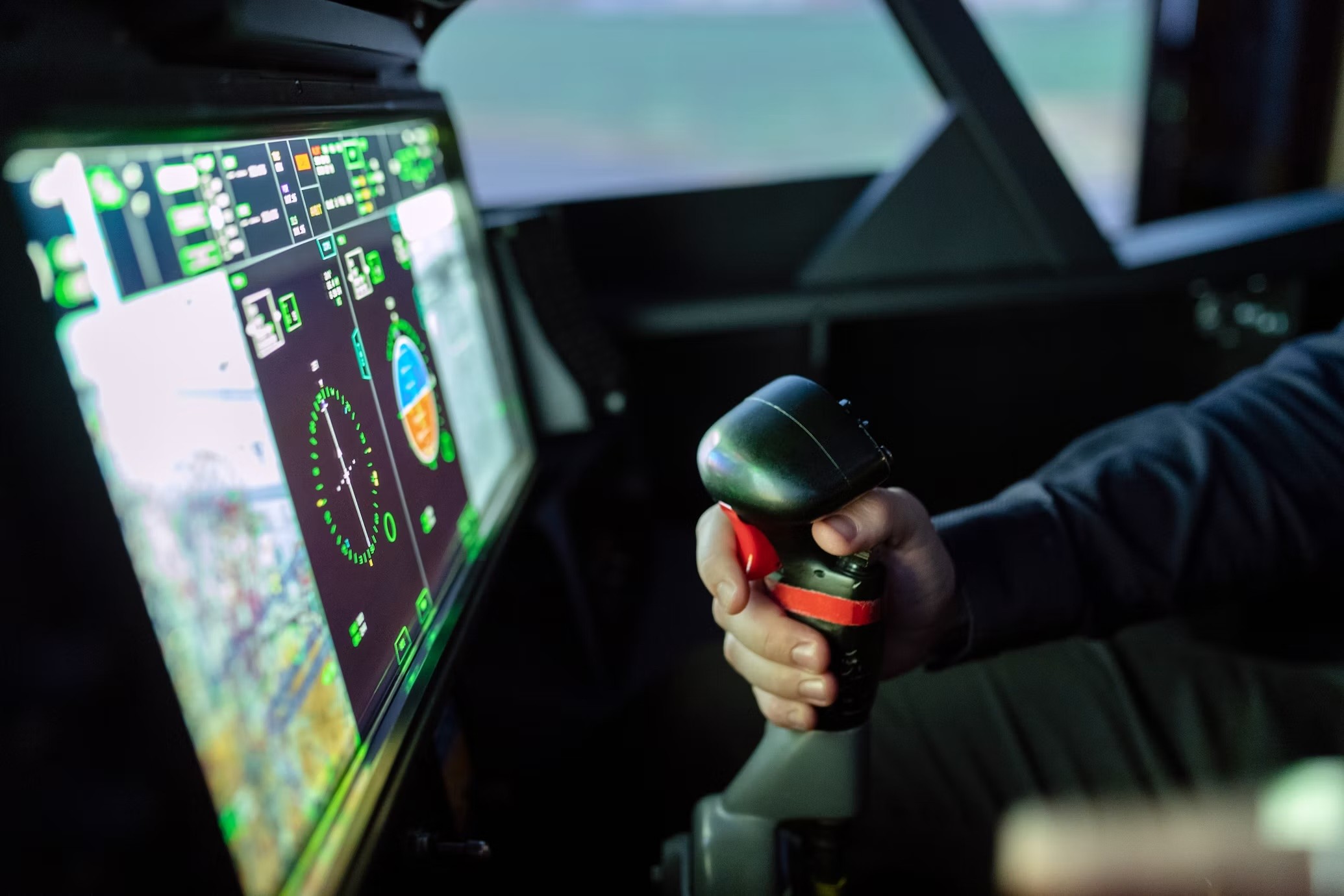
Understand and develop requirements reflecting this advanced human-system partnership
Requirements should be developed and captured early, then written clearly and in terms that can be tested.
Make validation continuous
As noted earlier, human factors should be involved early to help ensure the product performs as intended at launch. That involvement should continue after release through monitoring of human performance, defined triggers for re-evaluation, and longitudinal studies of trust and reliance (and how they might change over months of use). Fortunately, some regulators are already moving in this direction, and in many cases human factors practitioners are helping to write those rules.
Protect human skill
Expertise decays without use. Understand what people are good at versus what systems are good at. Sometimes the right design keeps people engaged even when the system could act alone, and that is okay. In previous articles we have talked about the importance of workload: we don’t want people overloaded, but we also don’t want them so underloaded that they lose awareness or readiness to intervene. We may need to get comfortable designing for that kind of deliberate friction.
What remains constant
What remains constant is the person using the system. New technology does not remove human limits in perception, attention, memory and fatigue. Users will still misread ambiguous displays and place too much trust in automated systems. Even as technology moves quickly, we can continue to understand the end user, give them a voice, and help shape the technology that serves them. The underlying need for human factors isn’t going away, but it is evolving to meet the needs of today and tomorrow.
Keep Reading


// SAY HELLO
Contact
HF Designworks, Inc.
PO Box 19911
Boulder, CO 80308
(720) 362-7066